People

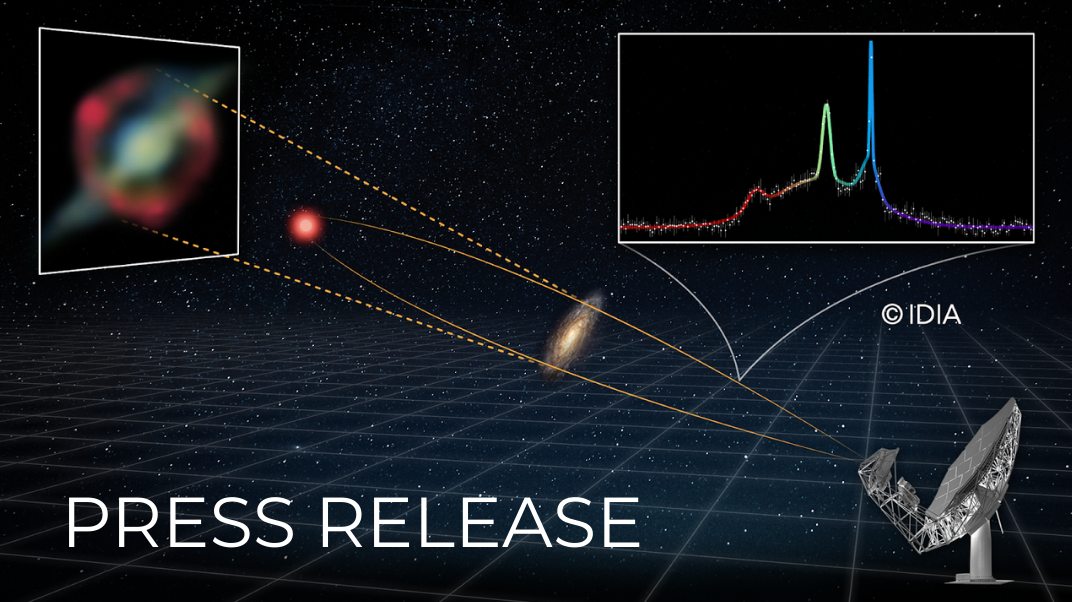
Press Release! MeerKAT discovers record-breaking cosmic laser halfway across the universe

UP/IDIA researchers open a new frontier enabled by MeerKAT and IDIA’s advanced compute infrastructure and support Astronomers using the MeerKAT radio telescope in South Africa have discovered the most distant hydroxyl megamaser ever detected. It is located in a violently merging galaxy more than 8 billion light-years away, opening a new radio astronomy frontier. Hydroxyl megamasers are natural “space lasers” … Read More

Congratulations to IDIA project manager Kechil Kirkham on her 1000th episode!

Kechil Kirkham, Project Manager of IDIA, has several strings to her bow. One of them is Looking Up, a radio programme and podcast with Cape Town radio station Fine Music Radio. On 1 October 2025 the 1,000th show will be broadcast. Looking Up is a weekly 5-minute programme covering space and astronomy, which now reaches a quarter of million people … Read More

PRESS RELEASE! IDIA helps UP-led astronomy research team to explore the formation of giant radio galaxies

Using the supercomputing power provided by IDIA facilities and groundbreaking observations from new-generation radio telescopes such as MeerKAT, an international research team, led by postdoctoral fellow Dr. Gourab Giri and other researchers at the University of Pretoria (UP), has made a breakthrough in understanding the formation and evolution of giant radio galaxies. These cosmic behemoths, resembling massive fountains of superheated … Read More

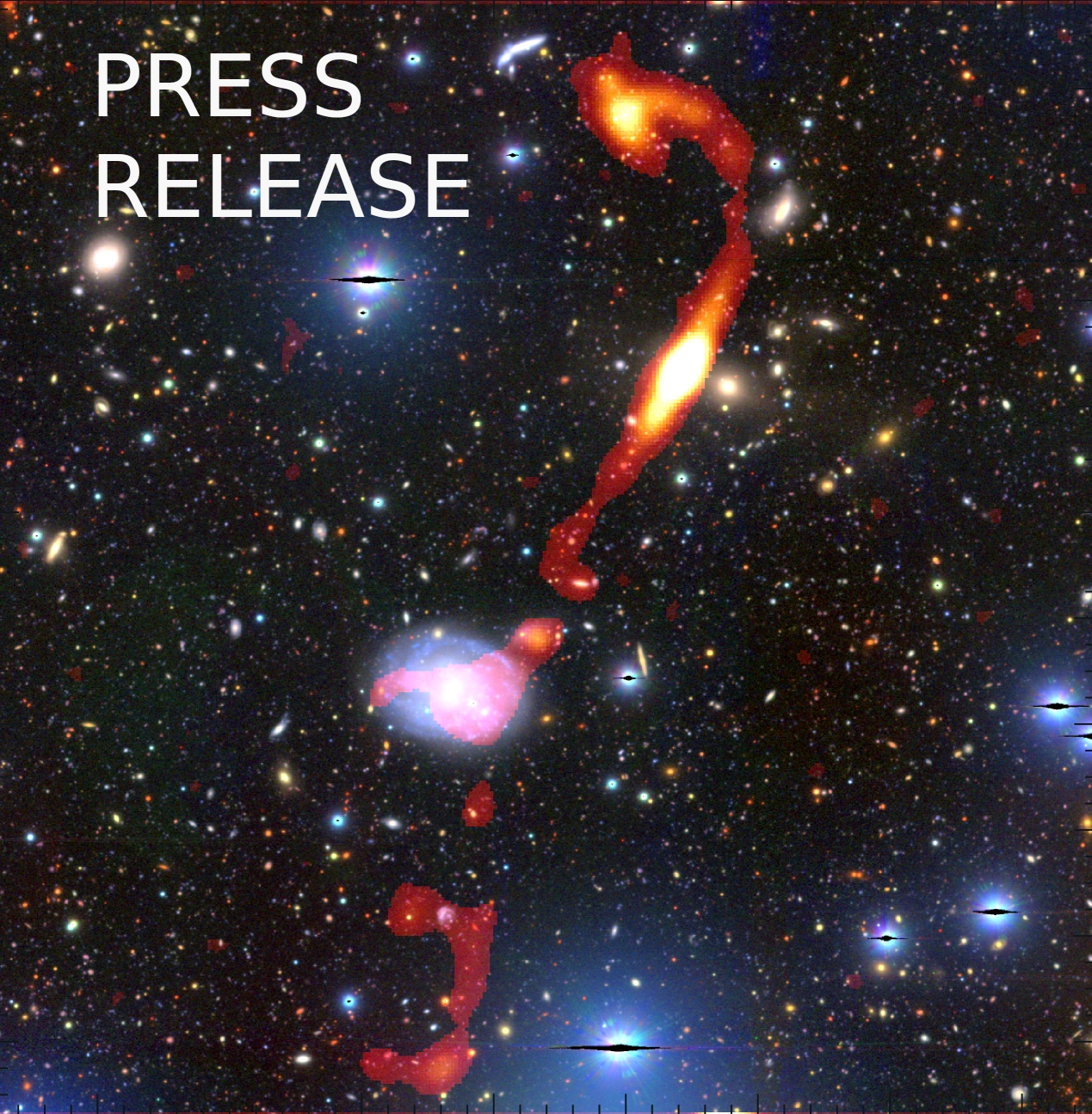
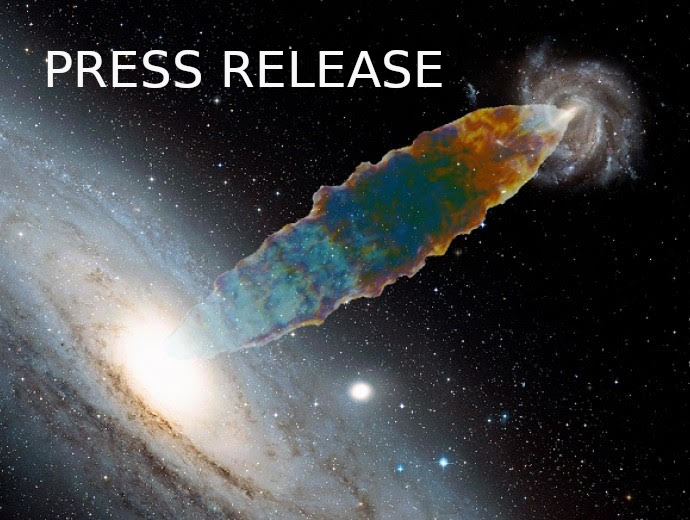
PRESS RELEASE! The Age of Giants: IDIA helps MeerKAT to identify a troublesome cosmic beast

With the help of IDIA facilities, South Africa’s MeerKAT telescope has uncovered an extraordinary new giant radio galaxy nicknamed ‘Inkathazo‘, meaning ‘trouble’ in the African Xhosa and Zulu languages. This discovery sheds light on the evolution of the largest structures in the Universe and offers new, yet confusing, insights into their mysterious origins.  The work has been published in the … Read More

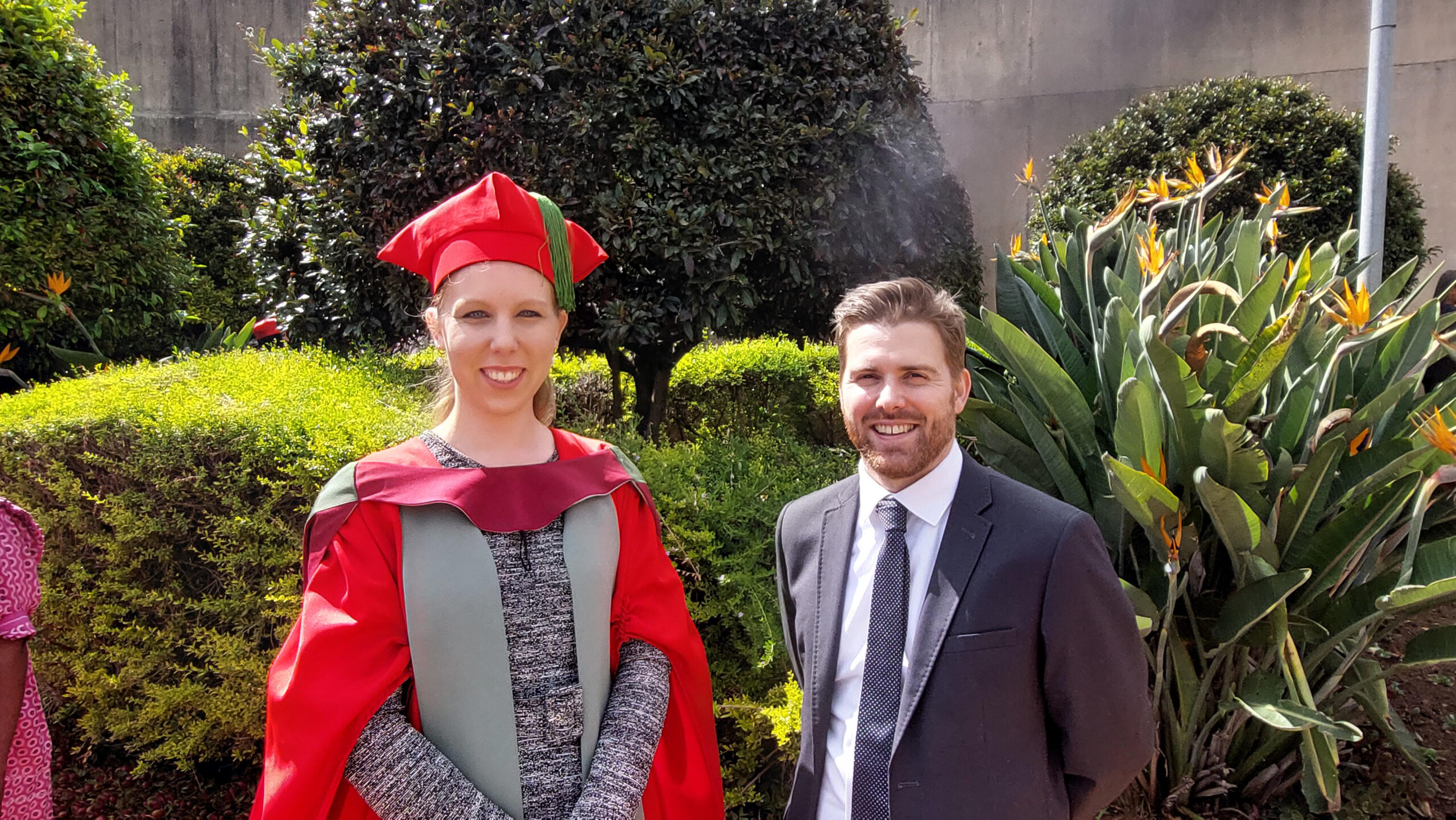
NEW IDIA-EMPOWERED PHD GRADUATE! Dr Charissa Button becomes UP’s first PhD graduate in Astrophysics

Dr Charissa Button has made history by becoming the University of Pretoria’s (UP, one of IDIA’s partner Universities) first PhD graduate in Astrophysics (capped during the University’s autumn graduation ceremonies). During Dr Button’s PhD research, she made use of IDIA infrastructure and MeerKAT data to study how gravitational lensing can be used as an approach to probe the more distant … Read More

JOB ADVERT: DIRECTOR (PROFESSOR) – IDIA POSITION

UPDATE: This position is now filled. The Inter-University Institute for Data Intensive Astronomy (IDIA), established in 2015, is a partnership of three South African universities: the University of Cape Town, the University of Pretoria and the University of the Western Cape with the aims to build capacity and expertise in data intensive astronomy in the partner institutions and to provide … Read More

Data Analyst Position in Cape Town

UPDATE: This position is now filled. IDIA is seeking a data analyst to assist in processing and analysis of research data in radio astronomy. The analyst will operate pipeline processing systems on the ilifu data intensive research cloud and will assist in the development and execution of computer code for the analysis of radio astronomy data. The analyst will work … Read More

Looking for a Data Scientist

UPDATE: This position is now filled. IDIA seeks to appoint a Data Scientist to work on the BRICS Intelligent Telescope and Data Network (BITDN), and the IDIA hackathon programme. The BITDN is a BRICS flagship programme in astronomy to develop a telescope and data network. It will draw on the opportunities presented by multi-wavelength space- and ground-based facilities that are … Read More

The unusual structure of the Spiderweb Galaxy

Galaxy formation and evolution is a fascinating topic. Astronomers don’t know exactly how galaxies form. Large galaxies are often home to hundreds of billions of stars, but when a mega galaxy is observed at a fraction of the age of the universe, astronomers still wonder how it is possible that such mega structures form in such a short amount of … Read More